


Commercial Vacuum Cleaner: The Smart Cleaning Solution for Businesses
- comac India
- Mar 10
- 7 min read

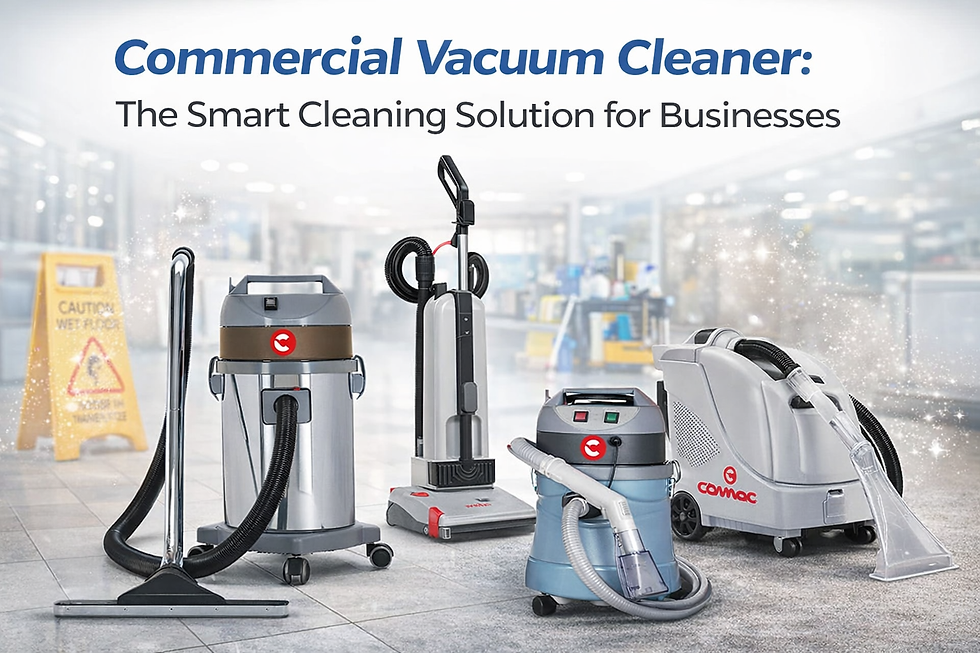
Maintaining a clean and hygienic environment is non-negotiable for any successful business. Whether you manage a bustling hotel, a sprawling mall, a high-traffic office, or a large industrial facility, the standard of cleanliness directly impacts customer perception, employee well-being, and overall brand reputation. While standard home vacuum cleaners might suffice for small spaces, they simply cannot handle the demands of commercial use. This is where a dedicated commercial vacuum cleaner becomes an essential asset, providing the power, durability, and efficiency needed to keep large areas pristine.
Investing in the right cleaning equipment is a strategic decision that pays dividends in operational efficiency and long-term savings. This guide will walk you through everything you need to know about selecting the best vacuum cleaner for your commercial needs, from understanding key features to exploring the latest trends in India's professional cleaning industry.
What Makes a Vacuum Cleaner Suitable for Commercial Use?
What truly separates a domestic vacuum from a commercial one? The difference lies in engineering and design, built to withstand rigorous, daily use across expansive areas. A machine designed for vacuum cleaner commercial use is fundamentally different from its residential counterpart.
First, durability is paramount. Commercial models are constructed with high-grade, robust materials like stainless steel or reinforced polymers to endure bumps, drops, and constant operation without failing. Their motors are larger and more powerful, designed for long-running hours without overheating. This contrasts sharply with domestic units, which are built for intermittent use for shorter durations.
Second, performance and capacity are on another level. A commercial vacuum cleaner offers significantly stronger suction power to lift heavy debris, fine dust, and embedded dirt from various surfaces, from deep-pile carpets to hard floors. They also feature larger collection bags or tanks, minimizing the frequency of emptying and reducing downtime. This enhanced capacity is crucial for cleaning large spaces like hotel lobbies, office floors, and mall corridors efficiently.
Finally, filtration systems in commercial units are far more advanced. They often incorporate multi-stage filtration, including HEPA (High-Efficiency Particulate Air) filters, which capture up to 99.97% of airborne particles like dust mites, pollen, and other allergens. This is vital for maintaining healthy indoor air quality, a key concern for hotels, hospitals, and corporate offices.
Features to Look for in the Best Commercial Vacuum Cleaner
When searching for the best vacuum cleaner for commercial use, a few key features can make a significant difference in performance and user experience. Evaluating these will help you make an informed investment.
Motor Power and Suction: Look for a high-wattage motor that translates to powerful suction (measured in CFM - Cubic Feet per Minute, or water lift). Stronger suction ensures a deeper clean, effectively removing dirt from carpets and crevices in a single pass.
Filtration System: For environments where air quality is a priority, a HEPA filter is a must-have. This feature is especially important for hospitality and healthcare sectors to ensure a safe and allergen-free space for guests and patients.
Durability and Build Quality: Examine the construction of the vacuum. Are the wheels sturdy? Is the body made from impact-resistant material? A well-built machine will last longer, offering a better return on your investment in commercial cleaning equipment.
Capacity and Portability: Consider the size of the area you need to clean. A larger capacity vacuum means less time spent emptying the container. However, this must be balanced with portability. Models with ergonomic handles and smooth-gliding wheels are easier for cleaning staff to maneuver around furniture and through large spaces.
Type of Vacuum Cleaner:
Upright Vacuums: Excellent for deep cleaning large carpeted areas, common in hotels and offices.
Canister Vacuums: Versatile and powerful, with a long hose and attachments that make them ideal for cleaning stairs, upholstery, and hard-to-reach areas.
Backpack Vacuums: Offer superior mobility for cleaning in congested spaces like theaters, buses, and large halls with fixed seating. They significantly increase operator productivity.
Wet/Dry Vacuums: Incredibly versatile, these machines can handle both dry debris and liquid spills, making them indispensable for industrial facilities, kitchens, and areas prone to accidents.
Benefits of Using Professional Vacuum Cleaners in Businesses
Integrating a professional-grade vacuum cleaner into your cleaning protocol offers tangible benefits that go beyond just a tidy appearance.
Enhanced Cleaning Efficiency: A powerful commercial vacuum cleans more effectively in less time. Staff can cover more ground, reducing labor hours and associated costs. The ability to complete cleaning tasks faster is a major operational advantage, especially in businesses that operate around the clock.
Improved Indoor Air Quality: Superior filtration systems trap fine dust, allergens, and pathogens, creating a healthier environment for everyone. This can lead to a reduction in employee sick days and provide a more comfortable experience for customers with respiratory sensitivities.
Long-Term Durability and Cost-Effectiveness: Although the initial investment might be higher than a residential model, a commercial vacuum cleaner is built to last. Its robust construction means fewer breakdowns, less need for repairs, and a longer operational lifespan, resulting in a lower total cost of ownership over time.
Professional Image: A spotlessly clean facility reflects professionalism and attention to detail. For hotels, malls, and corporate offices, this pristine appearance can be a key differentiator, enhancing brand image and customer satisfaction.
Commercial Cleaning Equipment Trends in India
The market for professional cleaning equipment in India is evolving rapidly. Businesses are increasingly recognizing the importance of investing in high-quality solutions to meet rising hygiene standards. Several trends are shaping this shift.
There is a growing demand for eco-friendly and sustainable cleaning solutions. Companies are looking for vacuum cleaners with high energy efficiency ratings and those made from recyclable materials. This aligns with broader corporate social responsibility goals and can also lead to long-term energy savings.
Automation and smart technology are also making inroads. While robotic vacuums are becoming more common, even traditional models are seeing tech-driven improvements, such as quieter motors for daytime cleaning in noise-sensitive environments like offices and hospitals. The focus is on equipment that boosts productivity and reduces physical strain on cleaning staff. As a major hub for business, the need for reliable cleaning equipment to India continues to grow, with suppliers focusing on providing durable and efficient machines tailored to the local market's demands.
Choosing the Right Vacuum Cleaner for Your Business
Selecting the ideal commercial vacuum cleaner requires a careful assessment of your specific needs.
For Hotels: A combination of a quiet canister vacuum for guest rooms and hallways, along with an upright vacuum for large carpeted banquet halls, works well. A backpack vacuum can be highly effective for cleaning lobbies and conference areas with complex layouts.
For Malls: Durability and capacity are key. Large wet/dry canister vacuums are ideal for handling the heavy foot traffic and potential spills in food courts and common areas. Backpack vacuums can also be used for efficient cleaning during off-hours.
For Offices: Low-noise models are essential to avoid disrupting employees. Canister or upright vacuums with HEPA filtration are perfect for maintaining a clean and healthy office environment, from individual cubicles to large meeting rooms.
For Facility Management: Versatility is crucial. A fleet that includes wet/dry, backpack, and upright models ensures your team is equipped to handle any cleaning challenge across different types of properties you manage.
Maintenance Tips for Long-Lasting Performance
To maximize the lifespan and performance of your commercial vacuum cleaner, regular maintenance is essential.
Empty Bags and Canisters Regularly: Never let the bag or canister get more than two-thirds full. An overfilled vacuum loses suction power and can put a strain on the motor.
Clean or Replace Filters: Clogged filters restrict airflow, reducing efficiency and potentially causing the motor to overheat. Follow the manufacturer's guidelines for cleaning or replacing filters, especially HEPA filters.
Check Hoses and Attachments: Regularly inspect hoses for blockages or cracks. Clear any debris from brushes and attachments to ensure they are working effectively.
Inspect the Brush Roll: For upright models, frequently check the brush roll for tangled hair, threads, and debris. A clean brush roll agitates carpet fibers more effectively for a deeper clean.
Schedule Professional Servicing: An annual check-up by a qualified technician can identify potential issues before they become major problems, ensuring your equipment remains in peak condition.
Conclusion
A high-quality commercial vacuum cleaner is not just a tool; it is a fundamental investment in your business's health, efficiency, and reputation. By understanding the key features that define a commercial-grade machine and carefully assessing your facility's unique needs, you can select equipment that delivers a powerful clean, improves air quality, and provides a remarkable return on investment. Upgrading your cleaning arsenal with the right professional vacuum is a smart, strategic move that ensures your business always looks its best.
Frequently Asked Questions (FAQs)
1. What is the main difference between a commercial vacuum and a regular one?The primary differences are in durability, power, and capacity. Commercial vacuums are built with heavy-duty components to withstand hours of daily use, feature stronger motors for superior suction, and have larger collection capacities to clean expansive areas without frequent interruptions.
2. How often should I replace the filter in my commercial vacuum cleaner?This depends on the type of filter and the frequency of use. Disposable paper filters should be replaced when the bag is changed. Washable filters can be cleaned every few months, while HEPA filters typically need replacement every 6 to 12 months, depending on manufacturer recommendations and usage intensity.
3. Is a more expensive commercial vacuum cleaner always better?Not necessarily. The "best" vacuum cleaner is the one that best suits your specific needs. While higher-priced models often offer more power, advanced features like HEPA filtration, or greater durability, a mid-range model might be perfectly sufficient for a smaller office. Focus on features relevant to your environment, such as noise level, capacity, and the types of surfaces you'll be cleaning.
4. Can I use a commercial wet/dry vacuum for regular dry cleaning?Yes, absolutely. Wet/dry vacuums are highly versatile. For dry use, you simply need to ensure the tank is dry and the correct dry filter is installed. This makes them an excellent all-in-one solution for facilities that need to manage both dry debris and occasional liquid spills.
5. What is CFM and why is it important for a commercial vacuum?CFM stands for Cubic Feet per Minute and it measures the volume of air the vacuum moves. A higher CFM indicates stronger airflow and better suction, which is crucial for picking up fine dust and light debris effectively. Along with "water lift" (which measures the power to lift heavy debris), CFM is a key indicator of a vacuum's overall performance.


Comments